Key Background
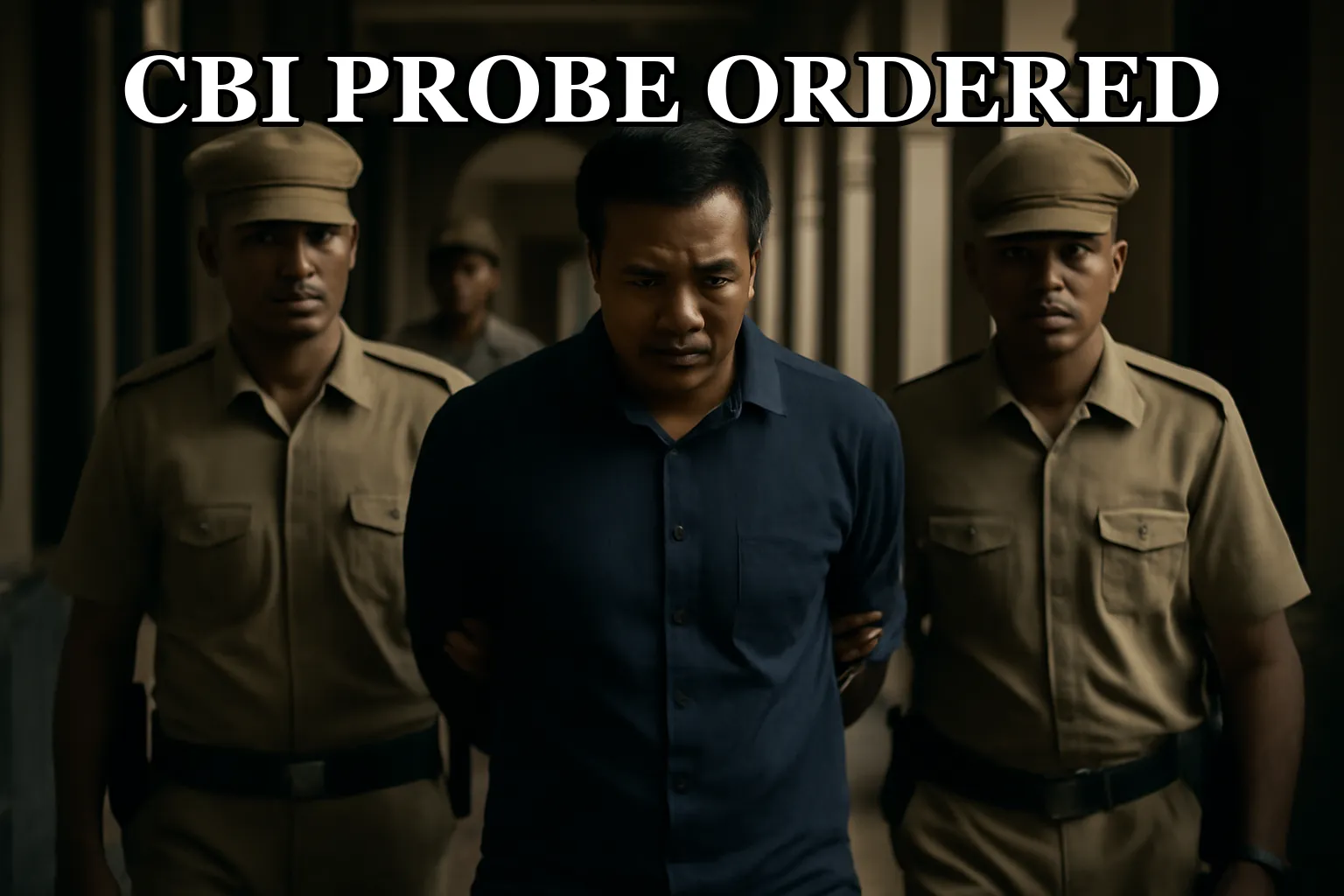
The Supreme Court of India has initiated a significant judicial action by ordering the Central Bureau of Investigation (CBI) to probe accusations against Arunachal Pradesh Chief Minister, Pema Khandu. These allegations concern the alleged malpractice in the allotment of public contracts.
The order came about in response to a petition filed citing irregularities and potential corruption in the award of government contracts, which purportedly violated principles of fair procedure and transparency.
Core Legal Analysis
In this case, the Supreme Court bench meticulously analyzed various statutory provisions and precedents regarding the due process in awarding governmental contracts. The petition alleged breaches that, if proven, could represent violations of administrative law principles, specifically concerning the norms of fairness and transparency required by the state in public dealings.
Specific Provisions or Sections
The court’s deliberation focused on interpretations of the Indian Constitution, specifically with reference to public interest and the duty of the state to maintain transparency in public procurement. Additionally, past judicial interpretations of contractual fairness under public law principles were revisited.
Notable Cases or Precedents
Several past precedents were examined, notably cases that have shaped the understanding of procedural fairness in state contracts. The court referred to earlier rulings where violated transparency norms led to judicial review intervening in the award of such contracts.
Ratio Decidendi and Obiter Dicta
The crucial legal point, or ratio decidendi, stemming from this decision is the enforcement of stringent oversight on governmental contract allocations. While the court had a broader commentary on the necessity of transparency and fairness in public administration as an obiter dictum, the binding aspect of the ruling focuses on the CBI’s investigative role in identifying and addressing malpractice.


